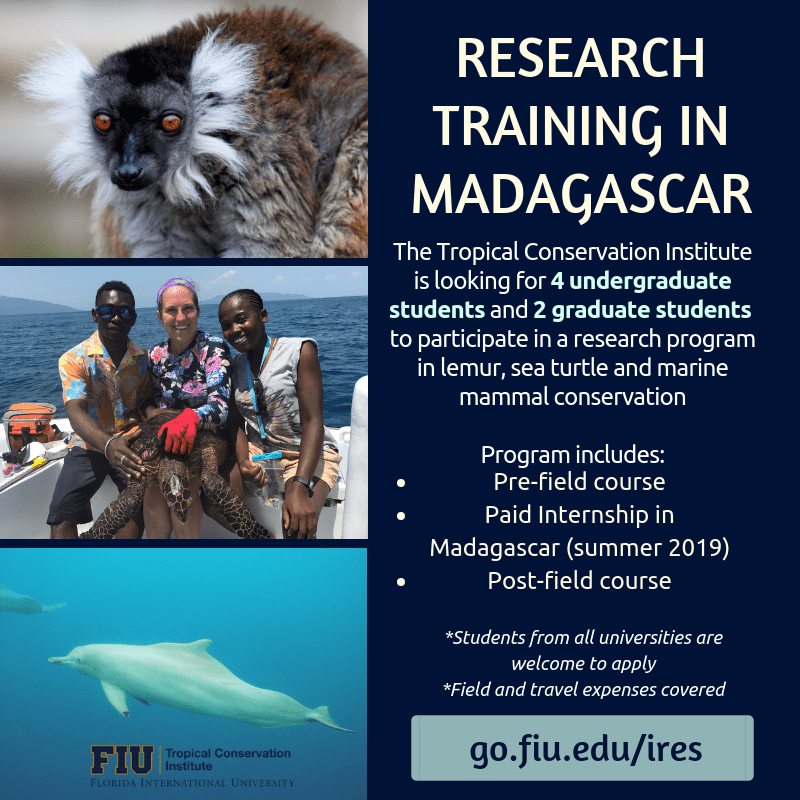
We recruit six students per year from underrepresented populations in STEM fields in the United States to participate in a three-semester program.
Seven weeks of which will be spent collecting field data and contributing to outreach programs in Nosy Be, Madagascar.
Partners
Species
Cetaceans
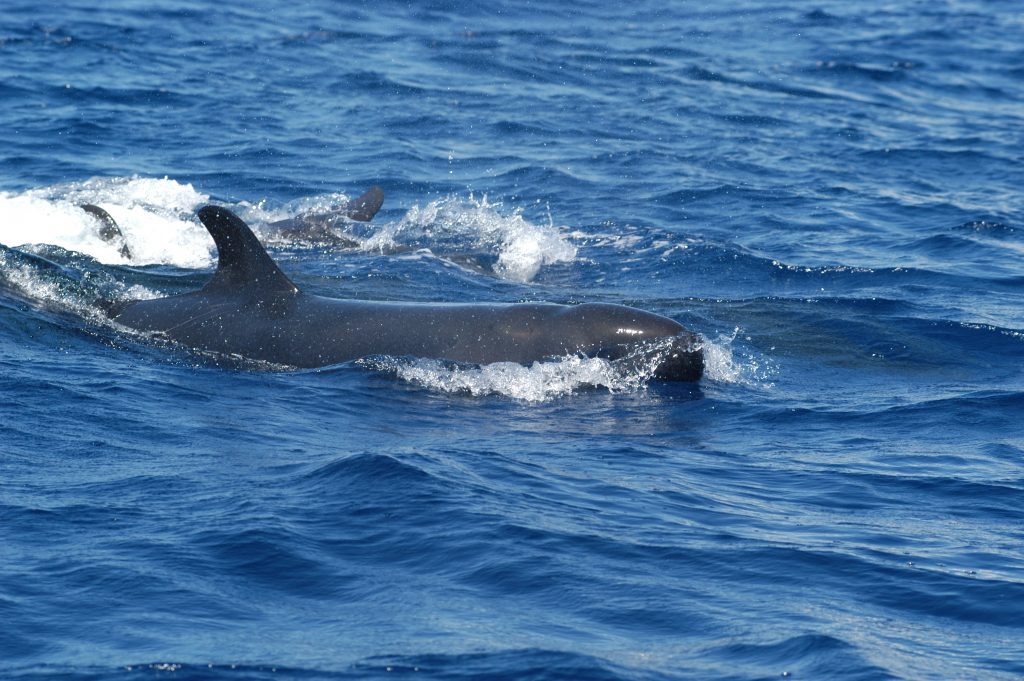
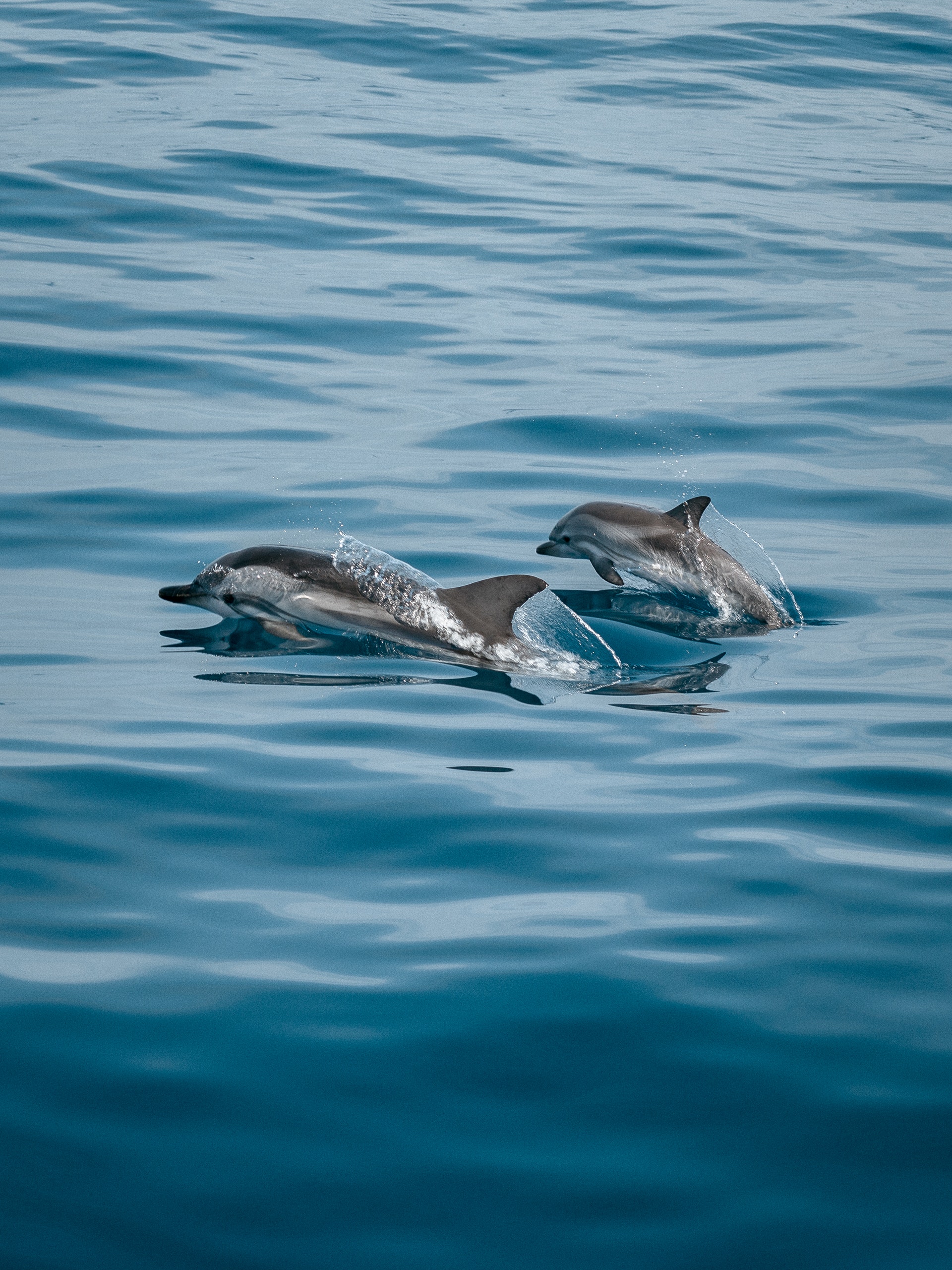
Cetaceans are social species that occur from rivers to the open ocean, and have developed a diversity of social systems.
The Madagascar Program
Two to four students from the University of Antananarivo and University of Tulear, Madagascar, are also recruited annually to participate in this program. The unique combination of research and applied conservation work led by TCI scientists, and the cultural knowledge and local research experience of Malagasy partners, serve as a platform for students to acquire proficient research skills, be involved in publications and participate in conferences, network with key conservation leaders, and partake in successful human development and outreach programs.
Unraveling the foraging behavior of deep-diving sperm whales (Physeter macrocephalus) in the Caribbean
Within a number of cetacean communities, some species can alter the behavior of others (usually smaller species, but not always) and affect their habitat use patterns. This a very new area of research, and we use a combination of visual and acoustic methods to understand these dynamics across a number of systems.




Dr. Jeremy Kiszka teaches four courses at Florida International University

Biology of Marine Mammals
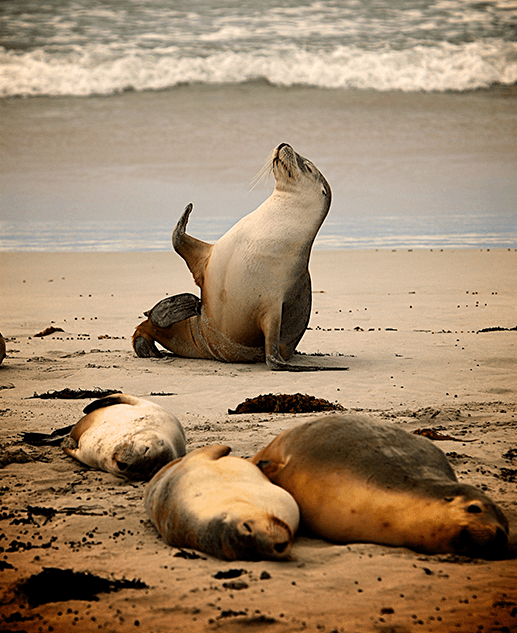
This course provides an understanding of a charismatic group of species, i.e. marine mammals (cetaceans, pinnipeds, sirenians, sea otters and polar bear), including evolutionary biology, physiology (locomotion, diving, thermoregulation, osmoregulation), ecology (foraging behavior, distribution and habitat use), conservation and management. This course is an important upper division offering for Biology and Marine Biology majors.
For Biology, it is one of the few courses that fills the Organismal Diversity category of required courses. The goals of this course are to provide a broad overview on the biology of marine mammals. Students will understand the evolution and systematics of this group as well as gain a functional knowledge of their anatomy and physiology. They will also learn about the behavior, ecology and population biology of marine mammals and understand the relevant theoretical underpinnings of these disciplines. The broader outcome of this course is to also train students to read, interpret and synthesize the scientific literature on specific topics.
Coastal Marine Conservation
This course is taught by Dr. Kiszka during the Spring semester on MMC and by Dr. Demian Chapman from the Predator Ecology and Conservation Lab on BBC in the Fall.
Marine ecosystems are experiencing tremendous pressure from anthropogenic activities, including overexploitation of wildlife, coastal development, and pollution. This solution-oriented course outlines the primary threats to marine ecosystems but focuses on humankind’s emerging responses to these issues. The course objective is for students to achieve a robust working knowledge of the major legal frameworks for marine conservation at the local, national, and intergovernmental levels and an understanding of important social, economic, and engineering-based approaches to conserve marine wildlife and better protect (or restore) the habitats and ecosystems they live in. Importantly, students will explore how scientists can influence and support marine conservation and policy. The class applies all of this knowledge to conduct team projects aimed at influencing a contemporary marine conservation issue.
Coastal Marine Conservation
This course is taught by Dr. Kiszka during the Spring semester on MMC and by Dr. Demian Chapman from the Predator Ecology and Conservation Lab on BBC in the Fall.
Marine ecosystems are experiencing tremendous pressure from anthropogenic activities, including overexploitation of wildlife, coastal development, and pollution. This solution-oriented course outlines the primary threats to marine ecosystems but focuses on humankind’s emerging responses to these issues. The course objective is for students to achieve a robust working knowledge of the major legal frameworks for marine conservation at the local, national, and intergovernmental levels and an understanding of important social, economic, and engineering-based approaches to conserve marine wildlife and better protect (or restore) the habitats and ecosystems they live in. Importantly, students will explore how scientists can influence and support marine conservation and policy. The class applies all of this knowledge to conduct team projects aimed at influencing a contemporary marine conservation issue.


Conservation Biology in Madagascar
This is a class to enthuse new freshmen about their Marine Biology major, learn about opportunities at FIU, and also begin to think about career paths. It is taught by several professors from the Marine Science Program, including Dr. Kiszka, who shares his experience working on marine mammals.
Marine Biology at FIU
This course is taught by Dr. Kiszka during the Spring semester on MMC and by Dr. Demian Chapman from the Predator Ecology and Conservation Lab on BBC in the Fall.
Marine ecosystems are experiencing tremendous pressure from anthropogenic activities, including overexploitation of wildlife, coastal development, and pollution. This solution-oriented course outlines the primary threats to marine ecosystems but focuses on humankind’s emerging responses to these issues. The course objective is for students to achieve a robust working knowledge of the major legal frameworks for marine conservation at the local, national, and intergovernmental levels and an understanding of important social, economic, and engineering-based approaches to conserve marine wildlife and better protect (or restore) the habitats and ecosystems they live in. Importantly, students will explore how scientists can influence and support marine conservation and policy. The class applies all of this knowledge to conduct team projects aimed at influencing a contemporary marine conservation issue.
Marine Biology at FIU
This course is taught by Dr. Kiszka during the Spring semester on MMC and by Dr. Demian Chapman from the Predator Ecology and Conservation Lab on BBC in the Fall.
Marine ecosystems are experiencing tremendous pressure from anthropogenic activities, including overexploitation of wildlife, coastal development, and pollution. This solution-oriented course outlines the primary threats to marine ecosystems but focuses on humankind’s emerging responses to these issues. The course objective is for students to achieve a robust working knowledge of the major legal frameworks for marine conservation at the local, national, and intergovernmental levels and an understanding of important social, economic, and engineering-based approaches to conserve marine wildlife and better protect (or restore) the habitats and ecosystems they live in. Importantly, students will explore how scientists can influence and support marine conservation and policy. The class applies all of this knowledge to conduct team projects aimed at influencing a contemporary marine conservation issue.
Madagascar Program
Funded by the National Science Foundation (US), this international training program, led by the Tropical Conservation Institute at FIU (Dr. Jeremy Kiszka as co-Principal investigator), and NGOs Mada-Megafauna and Mikajy Natiora in Madagascar, seeks to provide unique high-quality research and professional development opportunities in wildlife conservation and ecology to three different cohorts of undergraduate and graduate students from the US and Madagascar.
International Research Experience for Students
in Madagascar
We recruit six students per year from underrepresented populations in STEM fields in the United States to participate in a three-semester program, seven weeks of which will be spent collecting field data and contributing to outreach programs in Nosy Be, Madagascar. Two to four students from the University of Antananarivo and University of Tulear, Madagascar, are also recruited annually to participate in this program. The unique combination of research and applied conservation work led by TCI scientists, and the cultural knowledge and local research experience of Malagasy partners, serve as a platform for students to acquire proficient research skills, be involved in publications and participate in conferences, network with key conservation leaders, and partake in successful human development and outreach programs.
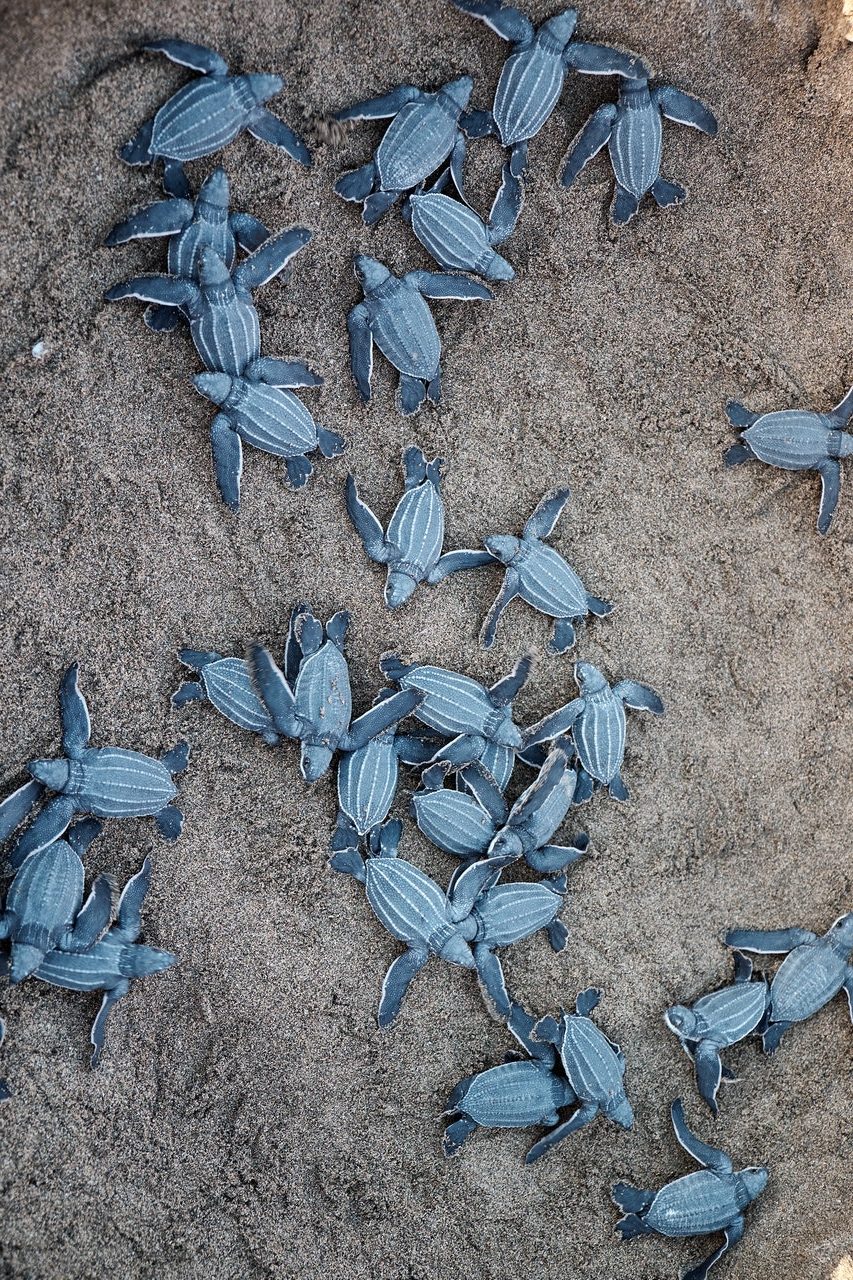
In addition, our privileged field location, a wildlife hotspot and tourist destination, will provide a safe and relevant research environment. Our four-stage research training program guarantees that our students receive the cultural and technical preparation to optimize their field experience. The recruitment process targeting minorities provides research opportunities to underrepresented populations in science; and our innovative evaluation methods will help guarantee that the program improves from one year to another. Half of the students in each cohort work on marine megafauna (coastal dolphins and sea turtles) while the other half work on lemur research and conservation. Students collaborate to produce a final report where they have to compare and discuss the differences between marine and terrestrial research and conservation strategies, and how these can complement each other. By focusing on both marine and terrestrial ecosystems, students in this program have a broad understanding of ecological interactions in general as well as how disturbance affects wildlife.